Sector 01 — Commercial & Industrial
Commercial & industrial
energy systems
Engineered solutions to reduce energy costs, manage peak demand and improve operational resilience. Designed around real-world site constraints — not ideal conditions.
Site realities
Designed around real-world constraints
01
High electricity costs & demand charges
Half-hourly metering, TOU tariffs and capacity charges mean energy cost structure is multi-layered. Systems are modelled against actual billing data.
02
Grid import & export limitations
DNO capacity constraints, G99/G100 thresholds and agreed supply capacity restrict what can be installed without grid reinforcement.
03
Peak demand cost spikes
Triad charges and demand-side levies can represent 30–40% of a commercial electricity bill. Battery-backed peak shaving targets these directly.
04
Standby generator inefficiencies
Diesel standby generation is expensive to run and maintain. Hybrid integration with battery storage reduces running hours and fuel cost.
05
Power quality issues
Harmonics, reactive power and voltage instability affect equipment reliability and efficiency. Power factor correction and filtering address these at source.
Integrated energy systems
Six core services
06
 S-01
S-01
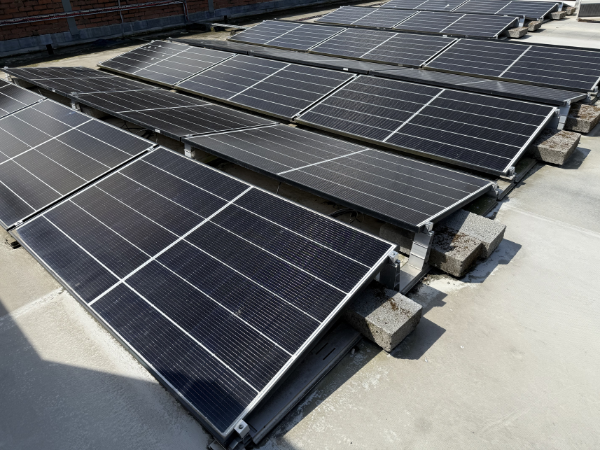
Solar PV arrays
Roof-mounted and ground-mount commercial PV arrays from 50 kWp to multi-MW. Yield modelled against half-hourly site consumption data and DNO export limits.
50kWp–2MW+
ROOF / GROUND
G99 / G100
 S-02
S-02
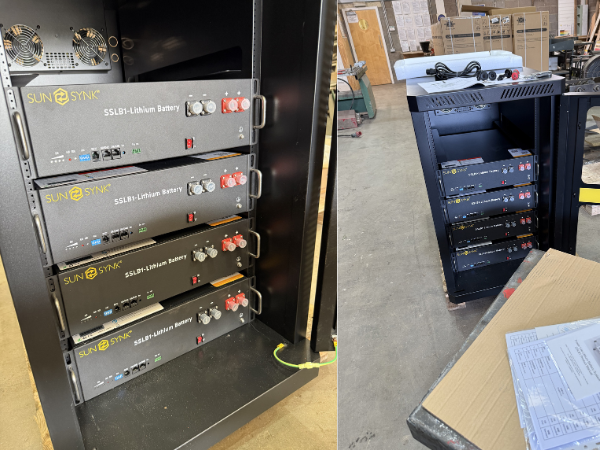
Battery energy storage (BESS)
Containerised and rack-mounted BESS for peak shaving, self-consumption maximisation and resilience. Scheduled via AI-assisted energy management systems.
10kWh–MWh
PEAK SHAVING
EMS CONTROL
 S-03
S-03
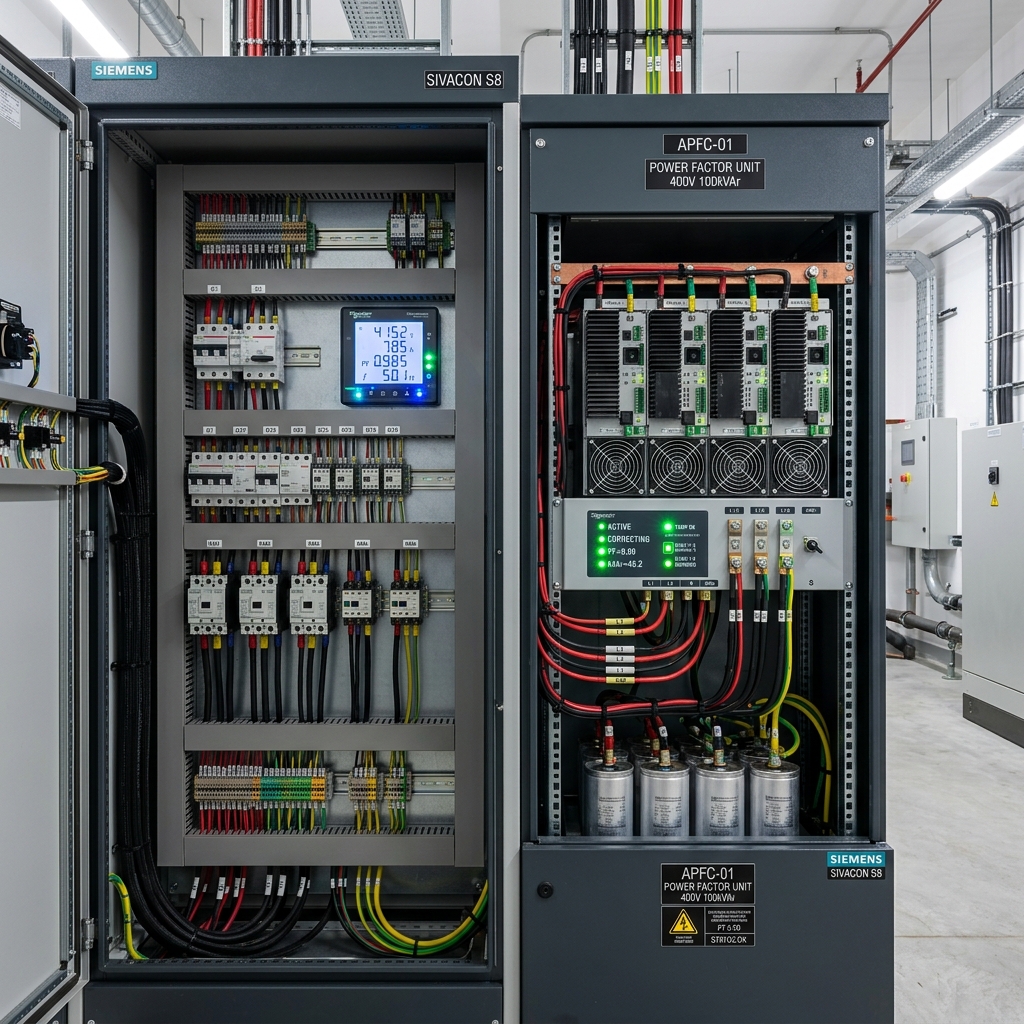
Load balancing & PFC
Power factor correction reduces reactive power charges. Active load balancing prevents demand spikes that trigger higher tariff bands and capacity penalties.
PFC BANKS
ACTIVE FILTERS
DEMAND MGMT
 S-04
S-04
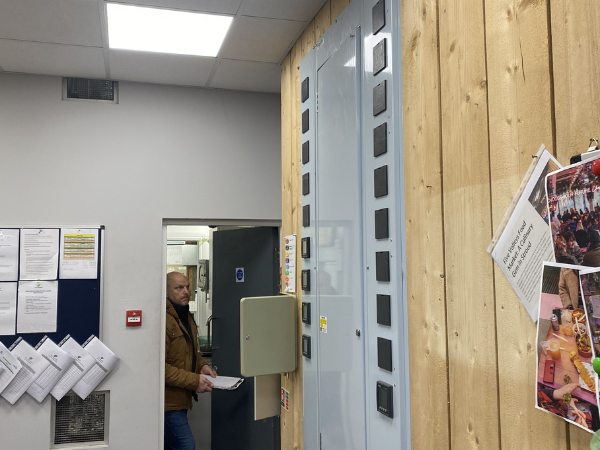
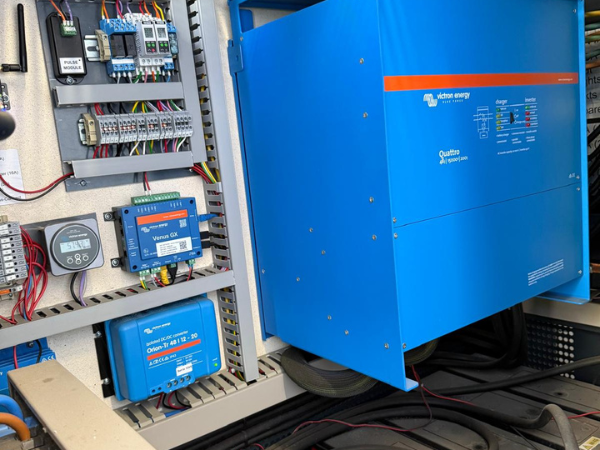
Hybrid & microgrids
Multi-source energy systems combining solar, storage and generation under a single control architecture. Designed for capacity-constrained or grid-remote sites.
MULTI-SOURCE
ISLANDING
SCADA
 S-05
S-05
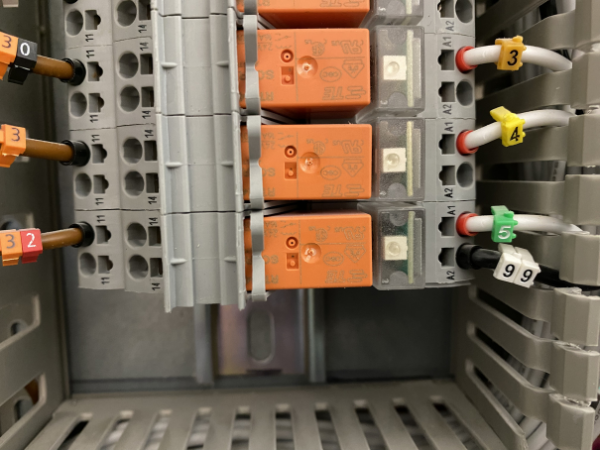
Standby generation
Integration of existing diesel or gas generators into hybrid energy systems. Automated transfer switching, runtime minimisation and hybrid control reduce fuel spend.
DIESEL / GAS
ATS
HYBRID CTRL
 S-06
S-06
PLC & BMS control
Custom PLC programming and building management system integration. Automated demand response, generation scheduling and load prioritisation under a single interface.
SIEMENS / ABB
MODBUS / BACnet
SCADA
Beyond standard installations
Specialist commercial services
Power quality analysis, off-grid solutions, temporary site supplies, harsh environment systems and custom control panel design, build and maintenance. Where standard solutions don't apply.
Engineering process
How commercial projects are delivered
From feasibility
to optimisation
1
Design & modelling
Yield modelling against half-hourly consumption data. System sizing, single-line diagrams, financial model with sensitivity analysis.
2
Grid compliance
G59/G99/G100 application management. DNO liaison, protection relay settings and export limitation configuration.
3
Installation
Managed installation programme with structural coordination, electrical containment, inverter and BESS commissioning preparation.
4
Commissioning
Witness testing, protection relay verification, EMS configuration, DNO sign-off and full commissioning documentation pack.
5
Optimisation
Live monitoring, generation vs modelled yield review, battery scheduling refinement and demand response programme enrolment.
Start with a
feasibility review
We model your system against actual half-hourly consumption data before recommending anything. No generic sizing. No overselling. A clear picture of what works for your site.